
Which Department Head to Hire First on Your Period Film
This is nothing new: the costs of making a film rack up quickly. Often, the line items cut first are design budgets. While I do not always agree with this approach to budgets, I can also understand the thinking behind it.
If you can only hire one designer, who should it be — a production designer or a costume designer?
Who to Hire
Controversial take: hire a Hair and Makeup Artist first.
As a costume and production designer, I stand by this. Costumes, set dec, and props can be sourced through Etsy, eBay, vintage shops, and rental houses. Here’s why hair and makeup should be your priority.
#1 - Hair and Makeup Does More to Establish Period Than Any Other Department
Hair and makeup define how well a period reads. Change a 1940s woman’s hair while keeping her outfit the same, and she no longer feels grounded in the period — move in for a close-up, and it disappears entirely. The same applies to a 1960s woman when you alter her makeup. Conversely, swap a contemporary man’s hair for a 1990s flat top, and the period feels believable even in modern clothing and surroundings.
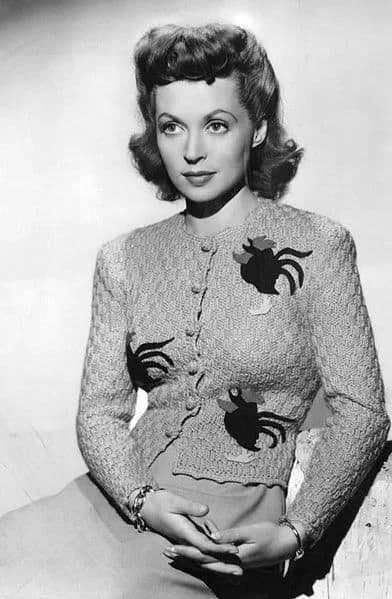

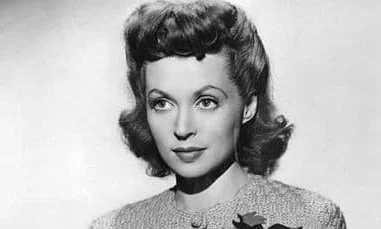
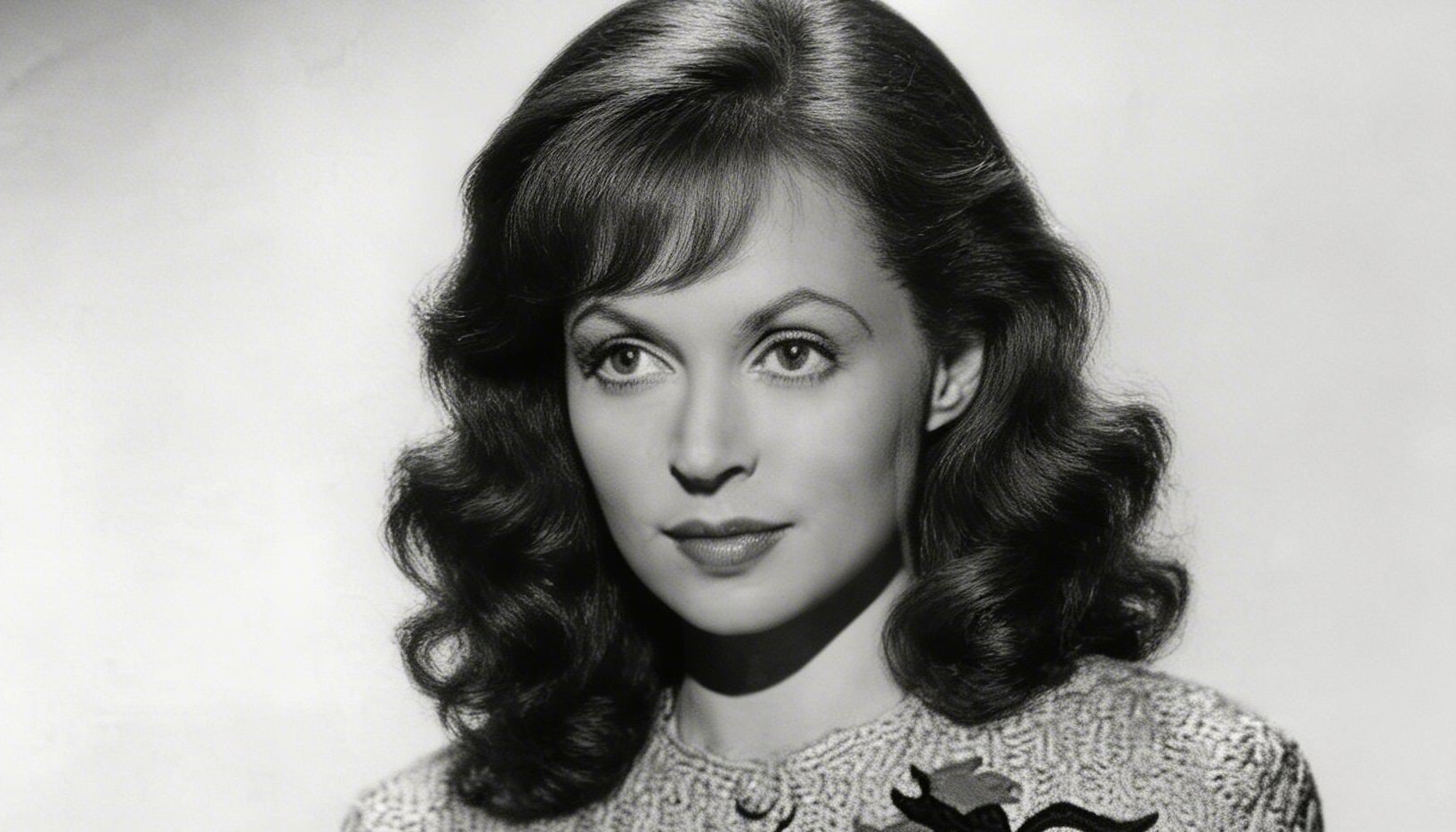
The woman on the left is from the 1940s with a period hairstyle, and the woman on the right has a contemporary cut. Nothing else has been changed.
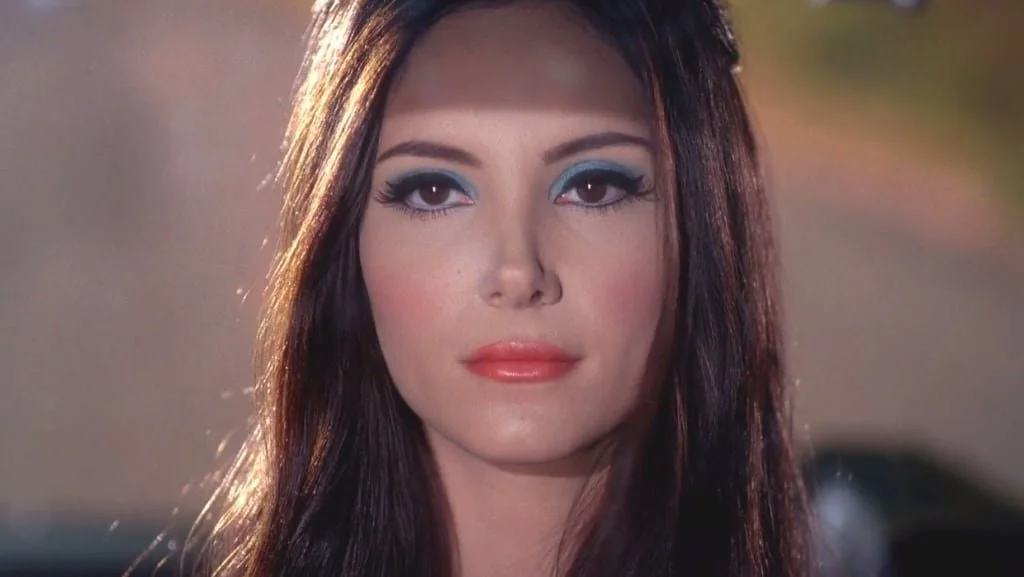

The woman on the left is from the 1960s while the woman on the right has contemporary glamor makeup.


The man on the left is the original, contemporary style. The man on the left has a traditional 1990s hairstyle.
Hairstyle and makeup become key elements in shaping a period because they change the shape and silhouette of an actor and help them embody the character grounded in the period.
#2 - Films Spend Majority of Their Time in Close-ups
Films are about the characters, and for that reason, films spend most of their time in extreme close-ups and medium close-ups. These shots bring the hair and makeup into focus. When I design costumes, if the hair and makeup aren't of the period, what I’m doing with the costumes doesn't read or matter as much because the hair doesn’t read. Here are a few reasons why I recommend HMU as the top department head hire.
According to the numbers on Shotdeck at the time of writing this article, extreme close-up to medium close-up shots consist of 40.4% of all shots listed on the site.
This number is not exact because it is hard to say just how many individual close-ups are recorded from each film, and this does not take into account the duration of a film that are extreme close-ups to medium close-ups. It is very possible that a conversation lasts five minutes in close-ups, only to yield 2-3 stills from that entire sequence, while wide shots, which tend to be more unique to a film’s aesthetic, are captured more often as reference material. Wide shots tend to last much shorter in films since most films are about the human experience and the characters driving the story.
Medium to medium wide shots consist of 33.2% of all shots on Shotdeck, and wides to extreme wide shots consist of 26.4%
#3 - On-Set HMU Frees Actors to Focus on Performance
Crafting period hair and makeup takes special skills and knowledge to pull off accurately. An onset HMU allows your actors to focus on their performance rather than worrying about how they look on camera or about accurately capturing the period style. The actors might not know how to achieve the required look, which can add time and stress at the start of the day and keep them from getting into character.
#4 - HMUs Might Need Fewer Prep Days
Hair and Makeup Artists tend to need a little less prep time unless they are utilizing wigs and extensions for the film. Typical prep for films that use an actor’s natural hair consists of research and design conversations, with a possible test day to confirm styling in advance of shooting. There might be extra time required for any wig or extension styling that needs to happen in advance of shooting. This can be negotiated for only a few days' worth of prep pay, whereas costumes and production design can easily require more prep time to ensure the film’s period, including long thrifting days, fittings, alterations, and construction.
So, Hire your HMU First
Based on these four major points and the examples shown, it feels pretty clear that hiring a Hair and Makeup person for your period film is a must if you really want the period to read. You can always hire a costume designer and a production designer to consult on your film and create mood boards to further craft it into your creative vision.
You can also learn more about how design tells a story with Text to Moving Images, which will help you craft your creative vision clearly and deepen your collaborative process with your department heads based on the psychology behind design.